Prep Requirements by Product Category
What each product category needs before it can ship to Amazon FBA or Walmart WFS - apparel, fragile, liquids, sharp, hazmat, and more.
Prep isn't one-size-fits-all. What a shipment needs before it can be received by Amazon FBA or Walmart WFS depends on the product category - a t-shirt, a glass candle, and a lithium-battery device each follow different packaging and labeling rules, and getting them wrong is a common cause of rejections, relabeling, and unplanned prep fees.
Two things every unit needs
Applies to every category
- A scannable barcode on each sellable unit. FBA uses an FNSKU label; WFS uses the item's GTIN (14-digit) or UPC (12-digit) barcode. Put it on the unit, not the outer box, and make sure it scans without opening any bag or tape.
- Packaging that protects the item and keeps it contained through transit - sealed, closed, and ready for sale.
- No labels from another retailer and no stray stickers covering the barcode (WFS is explicit about this).
Standard products
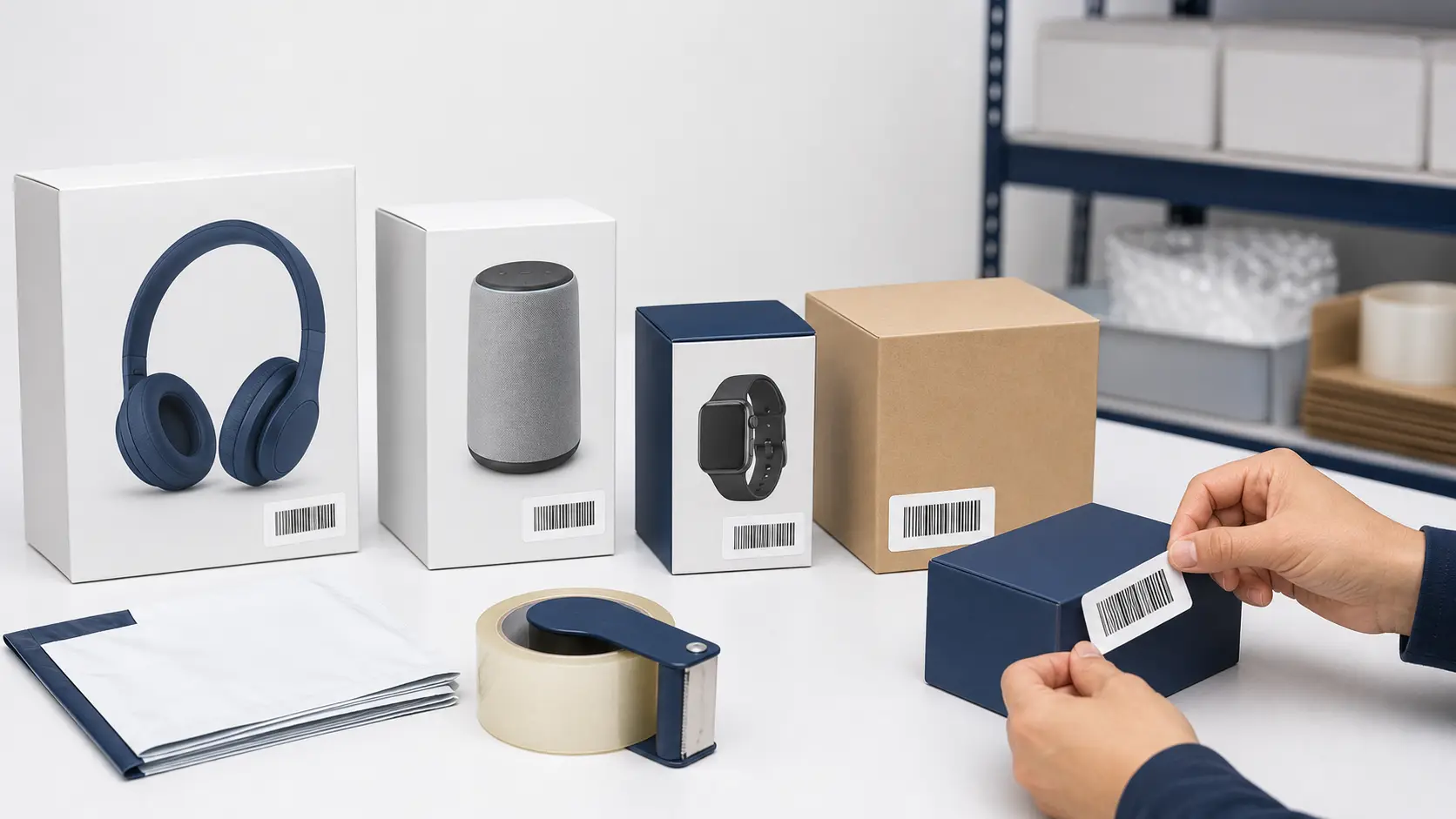
- Solid, non-fragile items in their own retail packaging usually just need the barcode label.
- If the packaging can pop open or spill, tape or poly-bag it closed first.
Apparel, textiles & plush
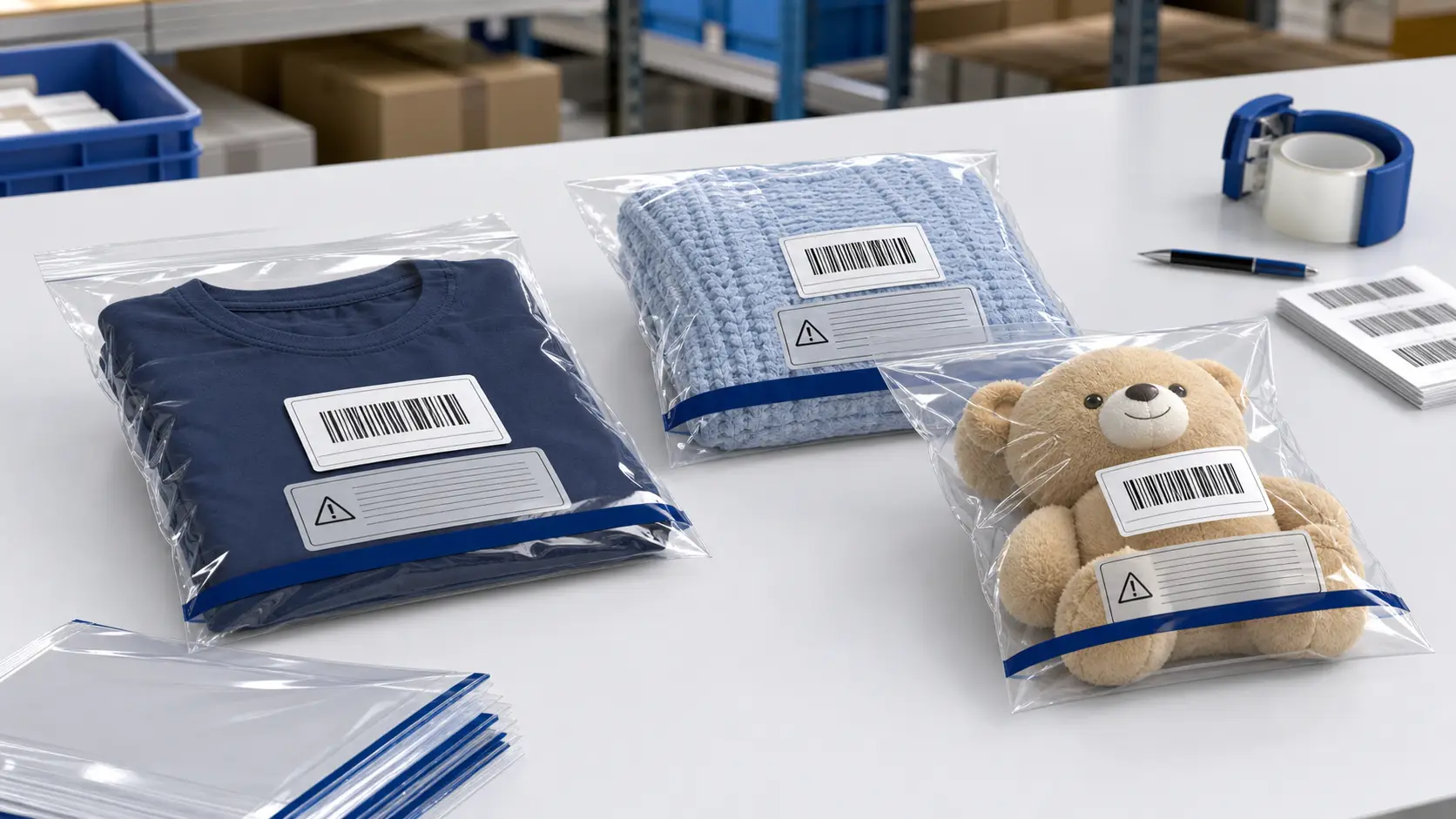
- Poly-bag each unit in a clear, sealed bag to protect it from dust, dirt, and moisture.
- Any poly bag with a 5-inch or larger opening must carry a suffocation warning - this applies on both FBA and WFS.
- Poly bags must be at least 1.5 mil thick and transparent so the barcode still scans.
- Remove standard hangers; small packaging hangers (e.g., infant clothing) are allowed.
Fragile & glass
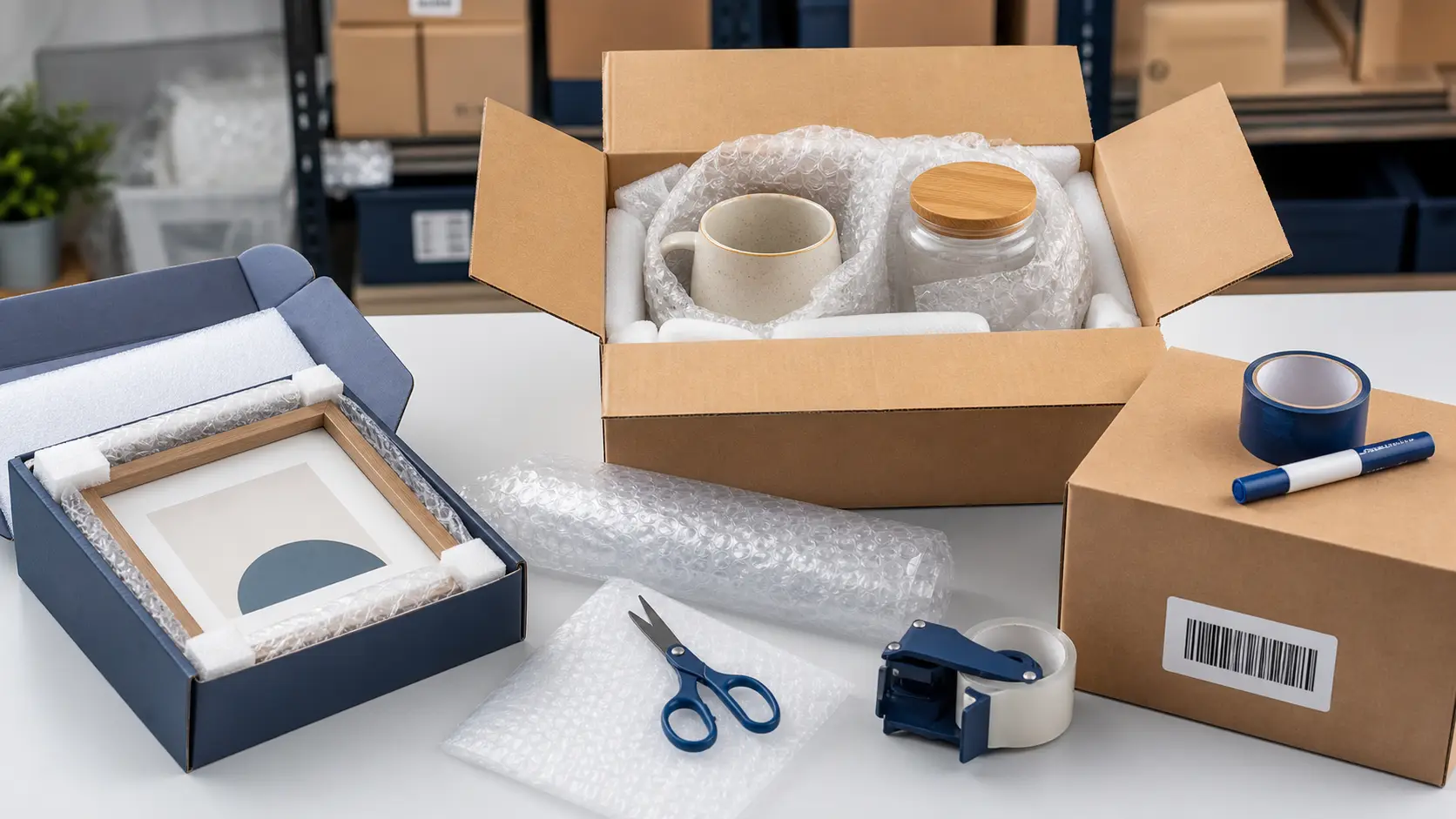
- Bubble-wrap or box the unit so it survives a 3-foot drop onto a hard surface.
- Glass jars, frames, mirrors, and ceramics all fall here.
- A fragile liquid container (about 4.2 oz or larger) needs a poly bag plus bubble wrap plus a box.
Liquids
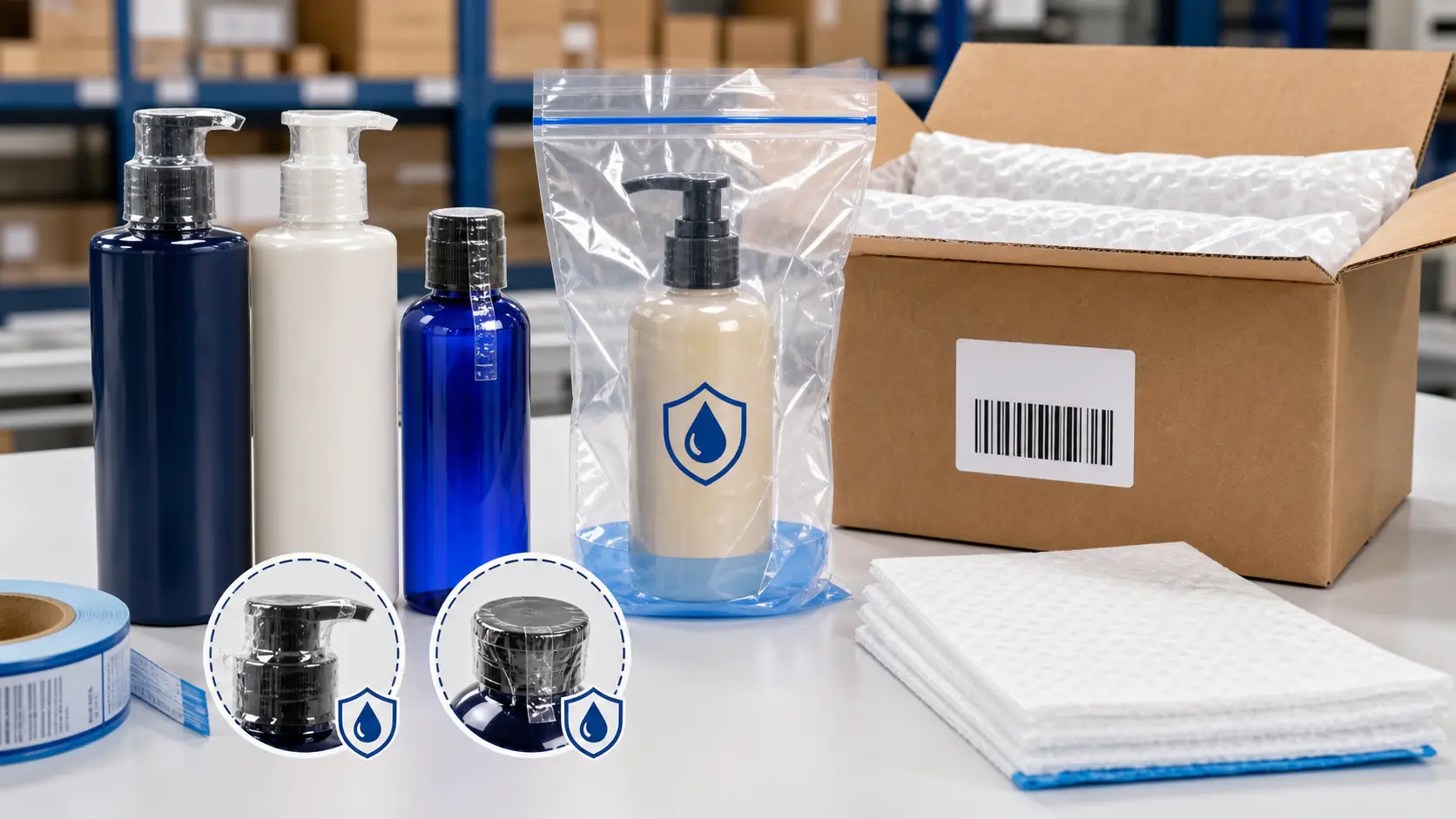
- Bottles must be sealed so they can't leak in transit.
- A plastic bottle over 16 oz without a double seal needs a second seal, or a sealed poly bag with a suffocation warning.
- Glass bottles also follow the fragile rules above.
Sharp & pointed items
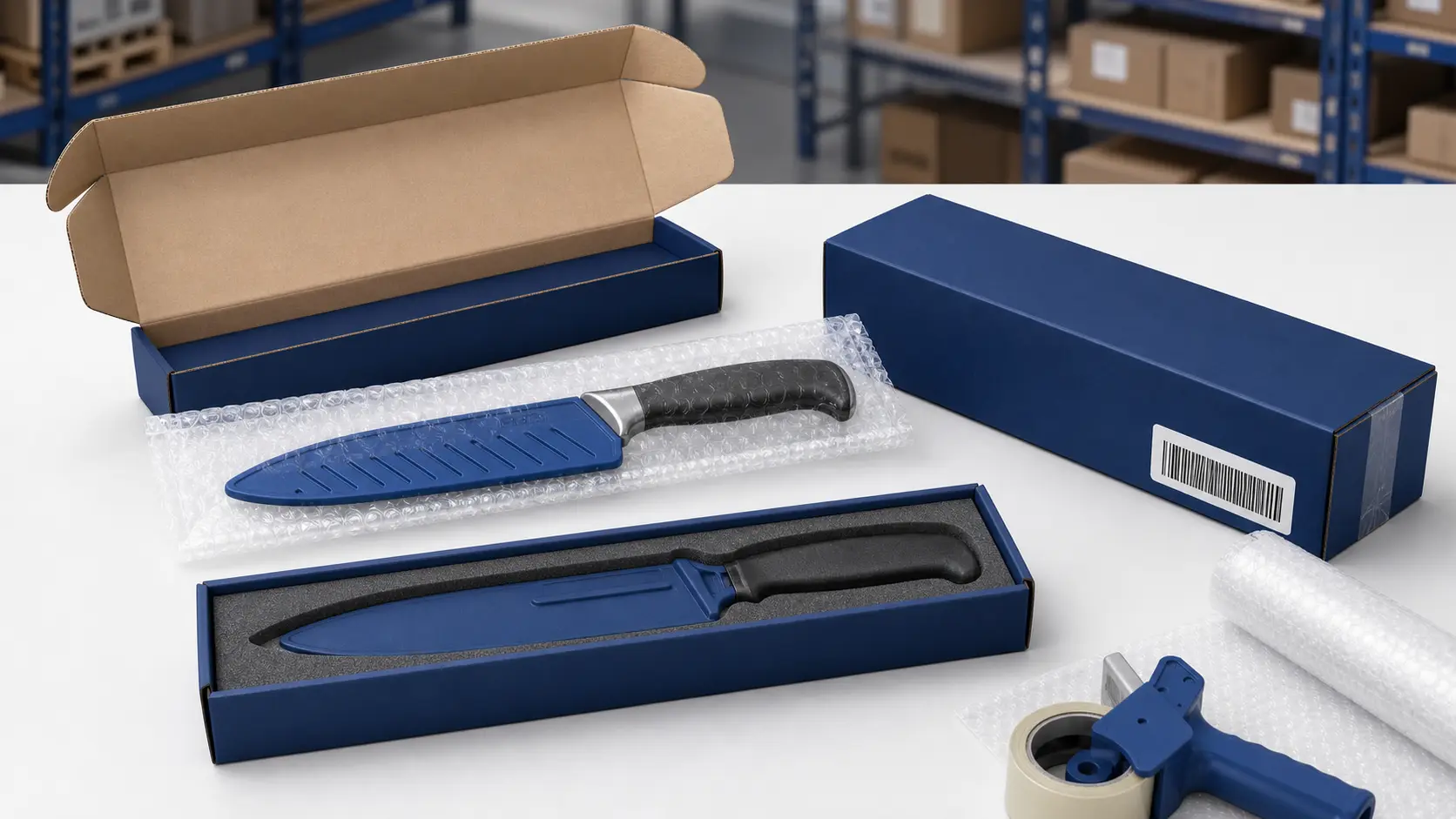
- Bubble-wrap or overbox so no edge or point is exposed during handling or delivery.
- Knives, tools, blades, and raw metal fall here.
Small & loose items
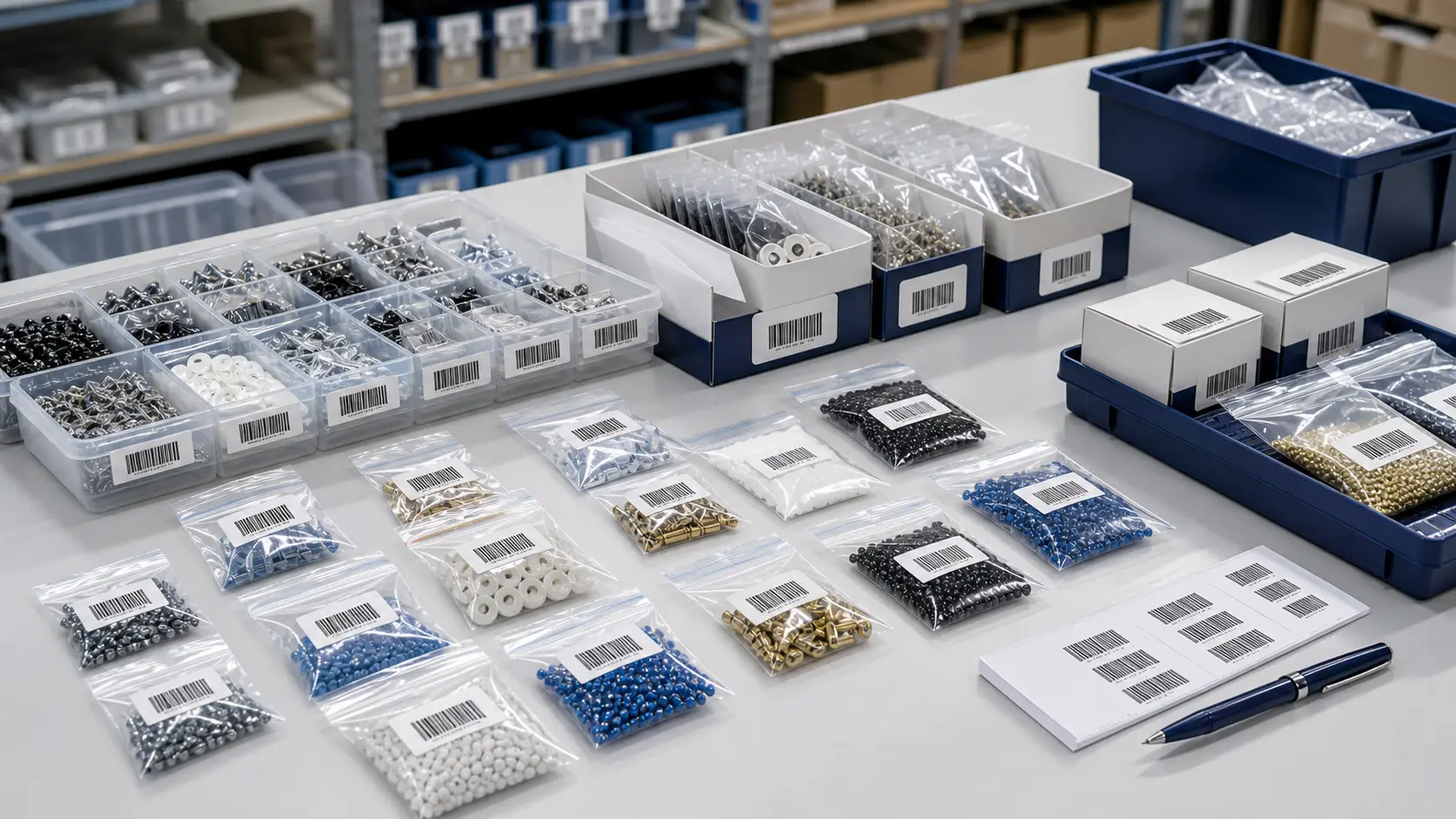
- Very small units (under about 2 1/8 inches on the longest side) should be bagged or boxed so they aren't lost in the bin.
- Loose powders, pellets, or granular goods need spill-proof, fully sealed packaging.
Sets, bundles & multipacks
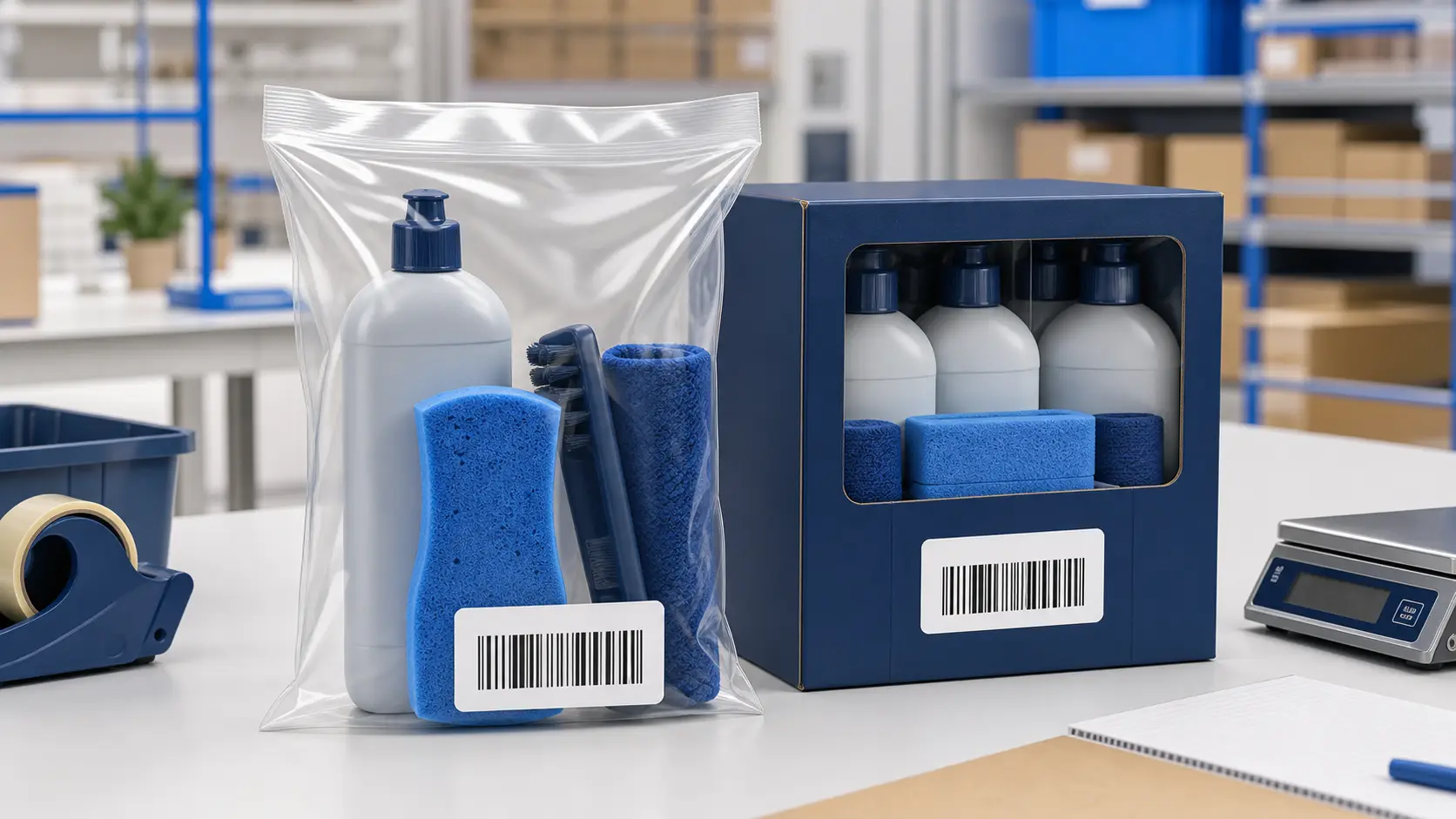
- Bag or box the whole set together and mark it 'sold as set' so it isn't split or received as loose units.
- One barcode goes on the outer set packaging - not on the individual pieces inside.
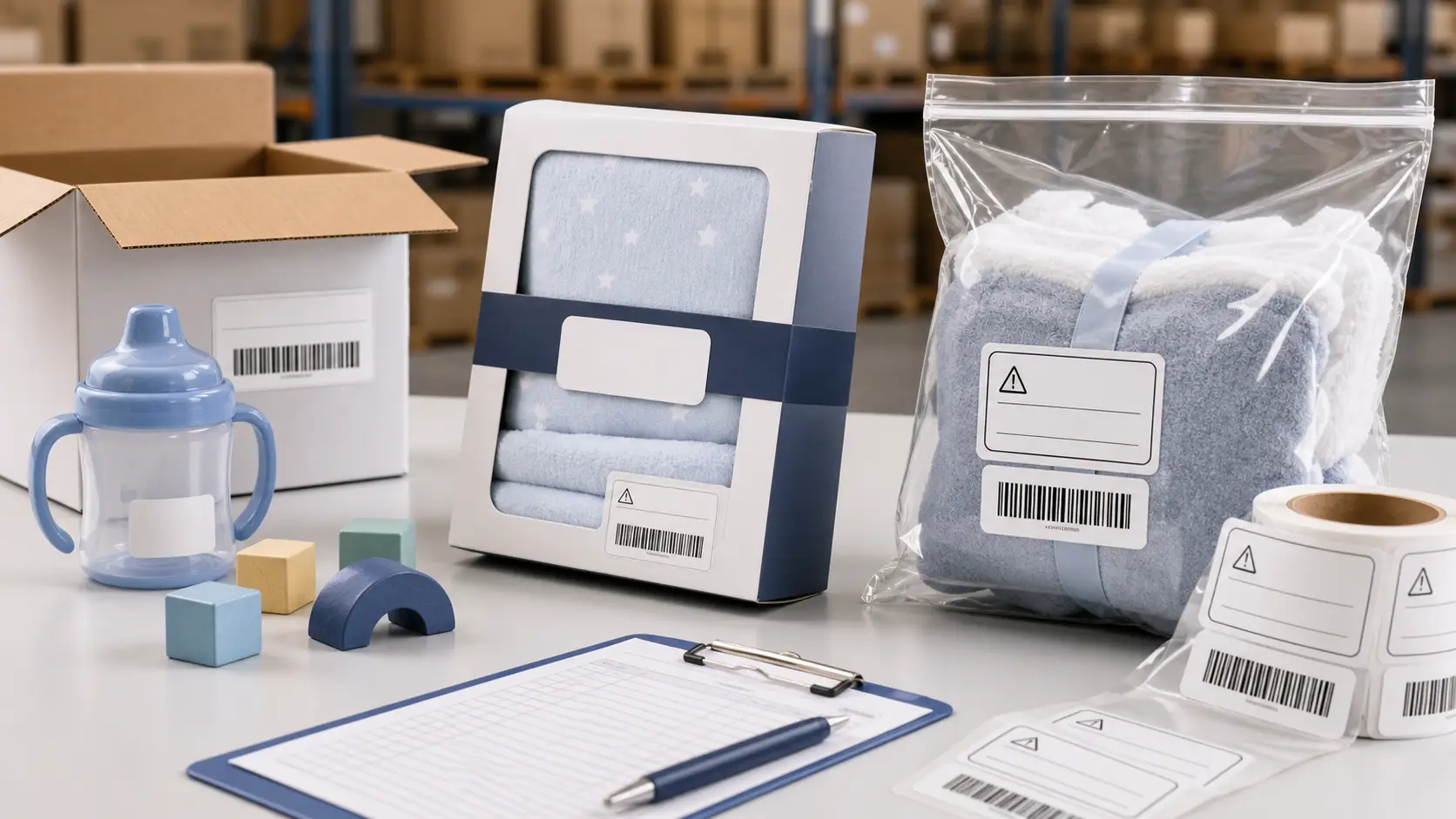
Baby & children's products
- Poly-bag with a suffocation warning (the 5-inch rule applies).
- Include any required CPSIA tracking label and choking-hazard warnings for the product.
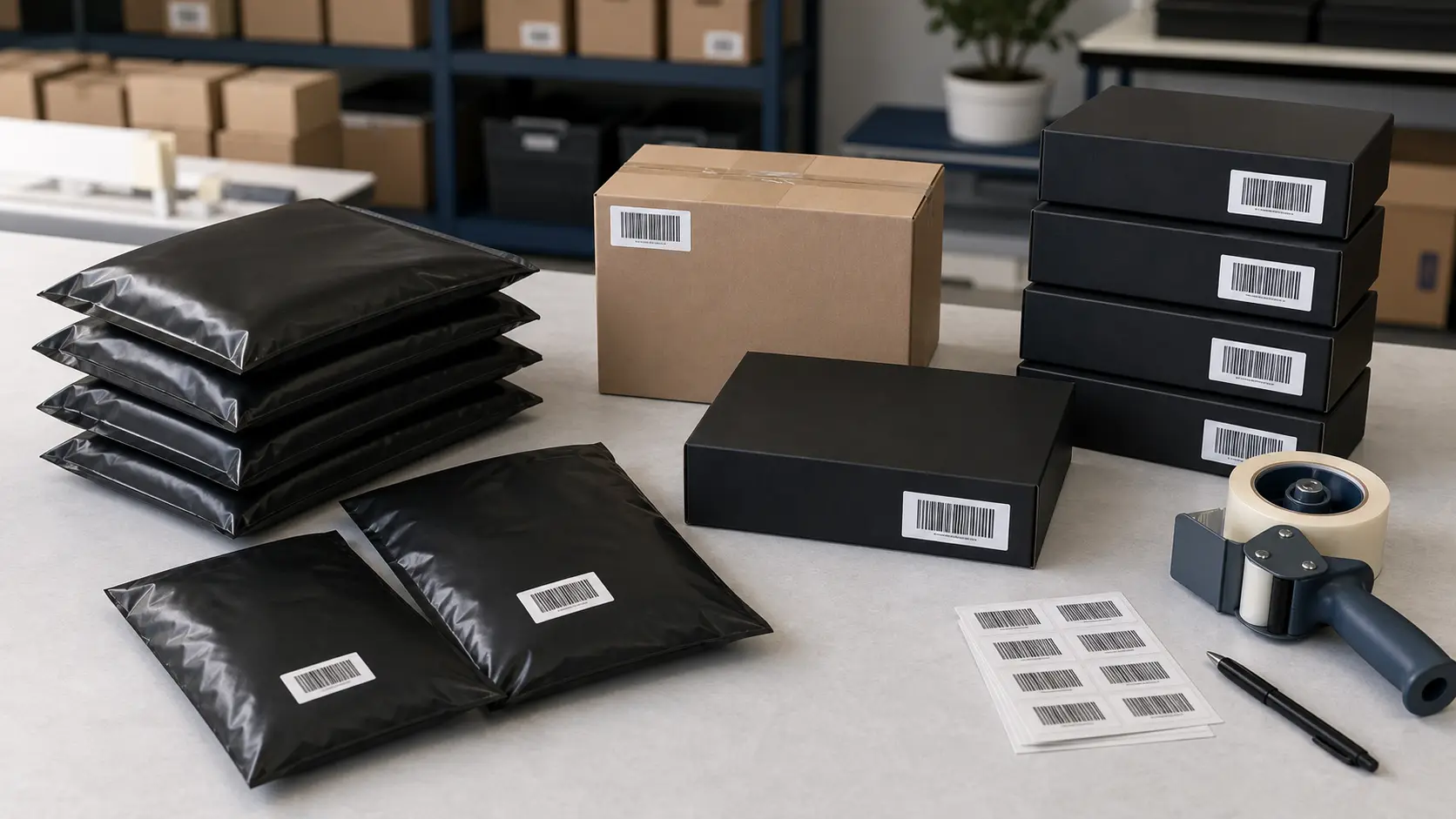
Adult products
- Ship in opaque, non-transparent packaging (or a black poly bag) so the contents aren't visible.
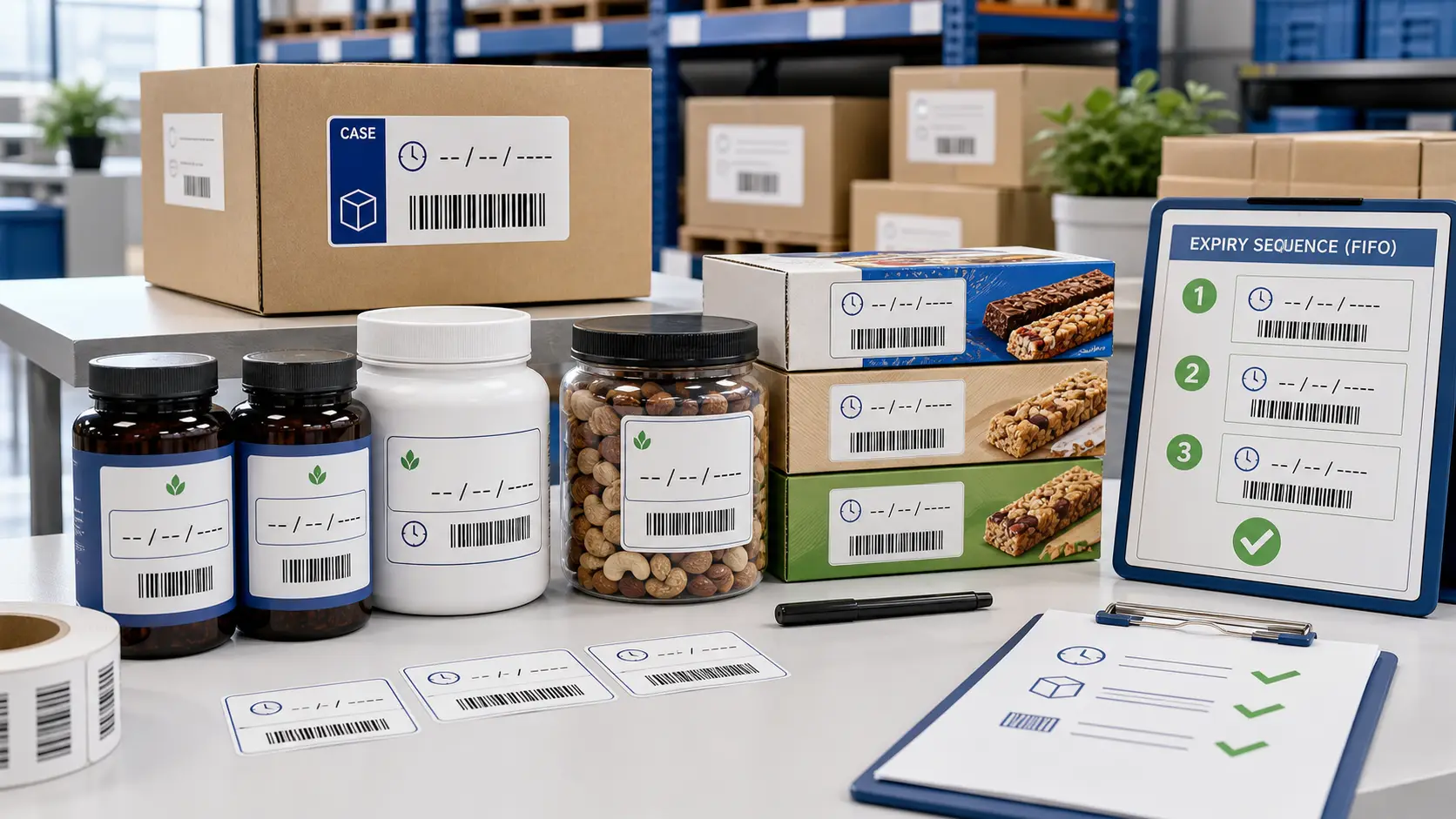
Expiration-dated & consumables
- Print the expiration date in a legible font on both the unit and the case, in the format the marketplace requires.
- Meet the minimum remaining shelf-life; these items are handled first-expired, first-out.
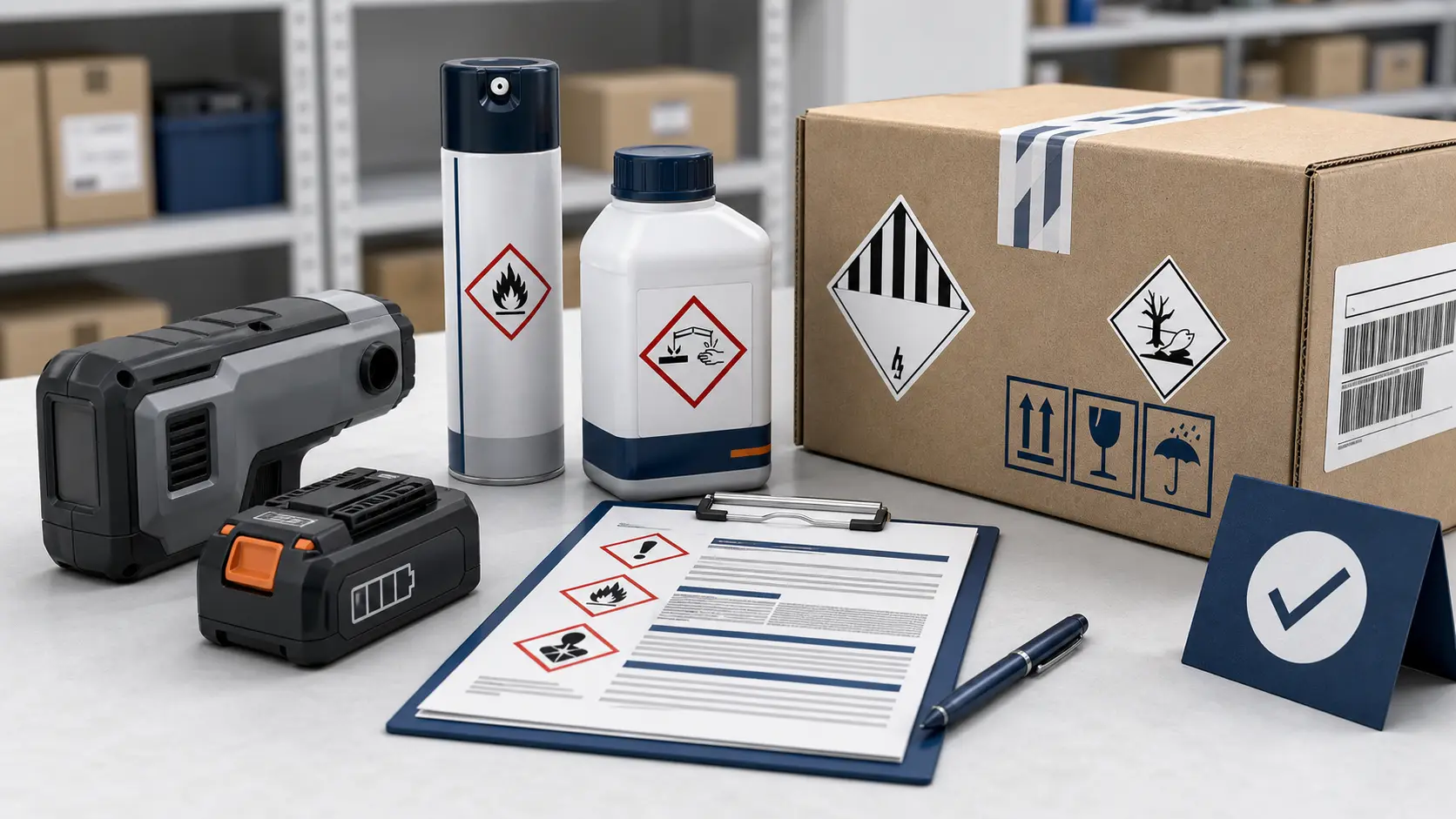
Hazmat & dangerous goods
This is the category most likely to stop a shipment. Anything with a battery, an aerosol or pressurized can, a flammable, a corrosive, or a regulated chemical is treated as a dangerous good - the propellant in an aerosol makes it hazmat no matter what's inside.
- FBA: enroll in the Dangerous Goods program and provide a GHS-compliant Safety Data Sheet (SDS) before the item can be received.
- Lithium batteries need the correct UN classification, UN 38.3 test documentation, and the right handling/battery labels.
- WFS: products with chemicals, aerosols, pesticides, or batteries must pass a compliance review before they can be listed.
- Some dangerous goods can't go through FBA or WFS at all - confirm eligibility before you ship anything.
Before you ship
Requirements change and vary by exact product, so check Amazon's Packaging and Prep Requirements and Walmart's WFS routing and packaging guide for your specific items before prepping. If a category needs prep you can't do in-house, hand it to a partner who handles it - on PrepMarketplace you can filter prep partners by the services a category needs, like poly bagging, fragile prep, expiration labeling, or hazmat handling.
More in New Seller Guide
Who Preps Your FBA Inventory Now That Amazon Stopped?
Amazon wound down the in-house prep and labeling help it offered US FBA sellers. Here's what changed, your options for getting inventory prepped, and how to choose a third-party prep center.
What Is an FBA Prep Center?
A simple, beginner-friendly explanation of what prep centers do and when sellers need one.
When to Use a Prep Center Instead of Sending Directly to FBA
Helpful for new sellers deciding whether a prep center is worth it.
Need a prep center now?
Post one request and connect with prep partners that match your shipment needs, services, and destination.